UX Case Study: Optimizing the Plataran Restaurant’s Ordering Process Through a Self-Ordering App
💭 Overview
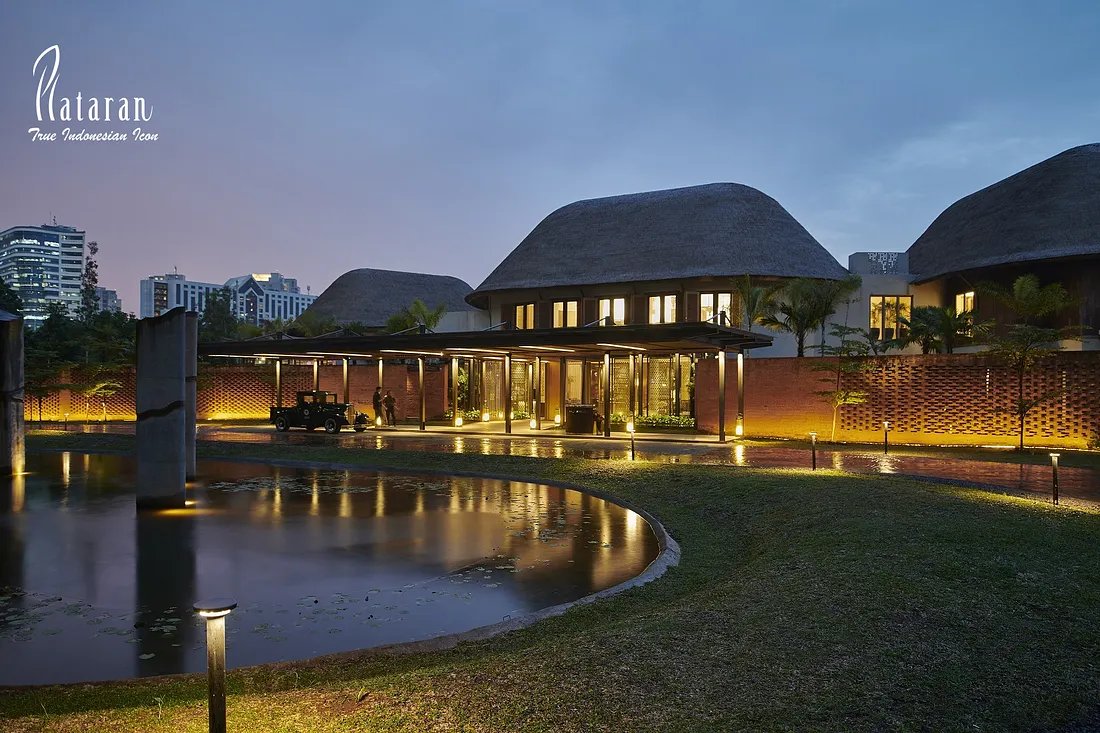
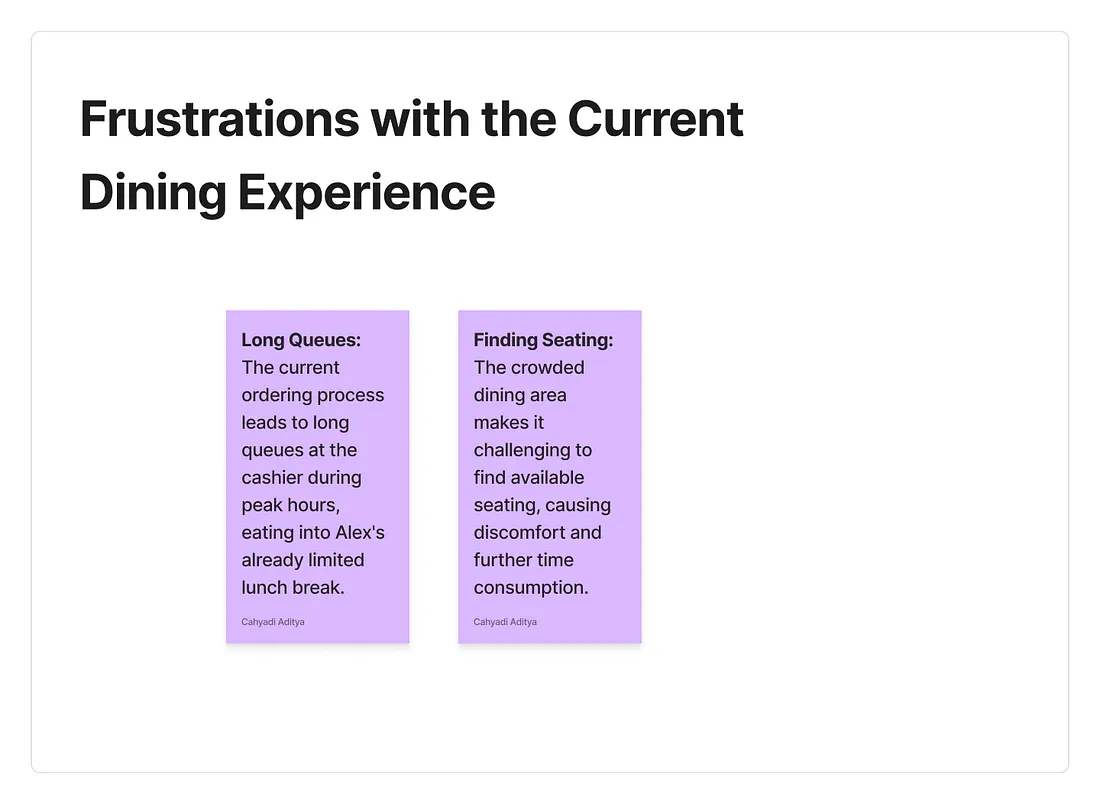
Plataran Restaurant is a popular Indonesian restaurant located in the heart of the Jakarta city, known for its authentic and delicious Javanese specialties. With a diverse menu consisting of promotions, appetizers, main courses, beverages, and desserts, the restaurant attracts a steady flow of customers throughout the day. However, during lunch hours and around 6 pm, the restaurant experiences a surge in visitors, leading to long queues at the cashier and an overcrowded dining area. This not only frustrates customers but also slows down the overall service, impacting the dining experience.
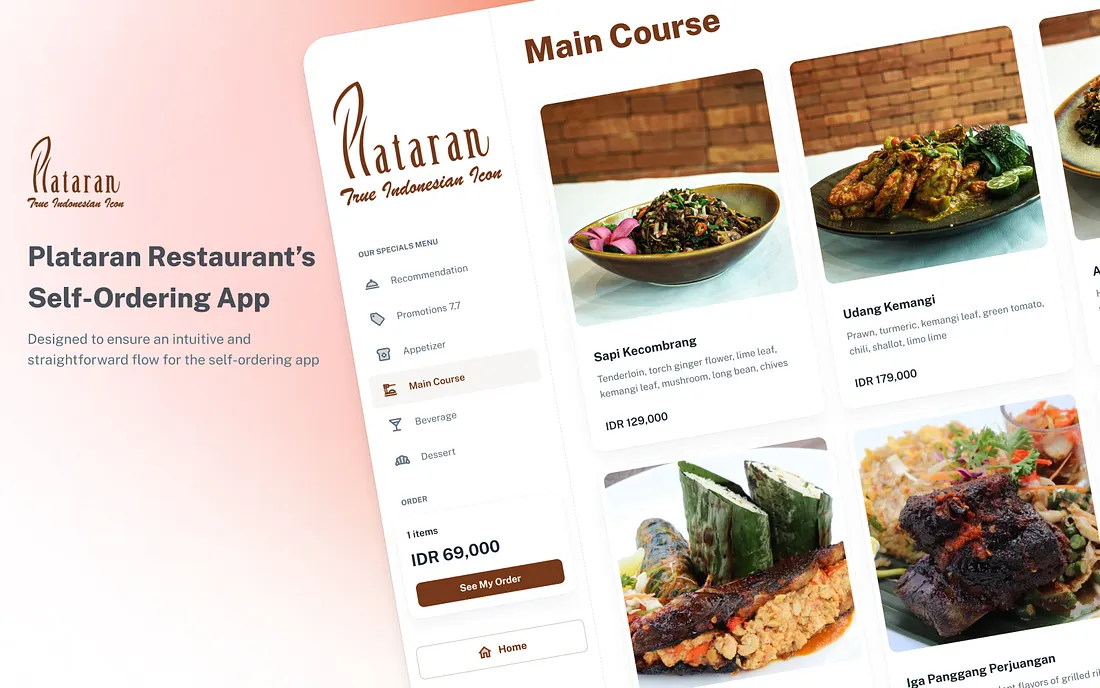
To address these issues and optimize the restaurant’s operations, the owners have decided to invest in a self-ordering app on a touch screen/tablet monitor platform. The app will allow customers to browse the menu, place their orders, and make payments seamlessly, reducing waiting times and improving the overall dining experience. Additionally, the app will introduce a table selection feature, enabling customers to choose their desired seating area before placing an order, thereby minimizing confusion and ensuring a smooth flow of service. Disclaimer, This project is not affiliated with the Plataran Restaurant. This case study is purely for educational purposes only. It represents a conceptual prototype, and all images used are taken from the official website of Plataran Restaurant.
🏋🏻 Problem Statement
The problem at Plataran Restaurant lies in the inefficiency of the current ordering system during peak hours. Long queues at the cashier, coupled with a crowded dining area, create frustration among customers and lead to extended waiting times for both placing orders and receiving food. This not only hampers the restaurant’s ability to serve customers promptly but also negatively impacts customer satisfaction and retention.
Key Issues:
- Long Queues at the Cashier: The high volume of customers during peak hours leads to extended waiting times at the cashier, resulting in customer dissatisfaction and a slower service process.
- Overcrowded Dining Area: The lack of a systematic table selection process causes confusion and discomfort among customers as they struggle to find available seating in the crowded dining area.
- Rushed Ordering Process: Customers often feel overwhelmed by the diverse menu options and may make hasty decisions, potentially leading to order errors and diminished dining satisfaction.
- Limited Payment Options: The absence of multiple payment options restricts customers from using their preferred methods, resulting in inconvenience during checkout.
🔎 Research and Analysis
The UX team conducted extensive research to gain insights into the current pain points and challenges faced by both the restaurant staff and the customers. Several key findings emerged from the research:
- High Traffic during Peak Hours: The restaurant experiences a significant influx of customers during lunch and dinner hours, leading to long queues and waiting times at the cashier.
- Overwhelmed Customers: The diverse menu options often overwhelm customers, leading to hurried decision-making and potential errors in their orders.
- Limited Table Availability Awareness: Customers sometimes struggle to find available seating due to the crowded environment, leading to confusion and discomfort.
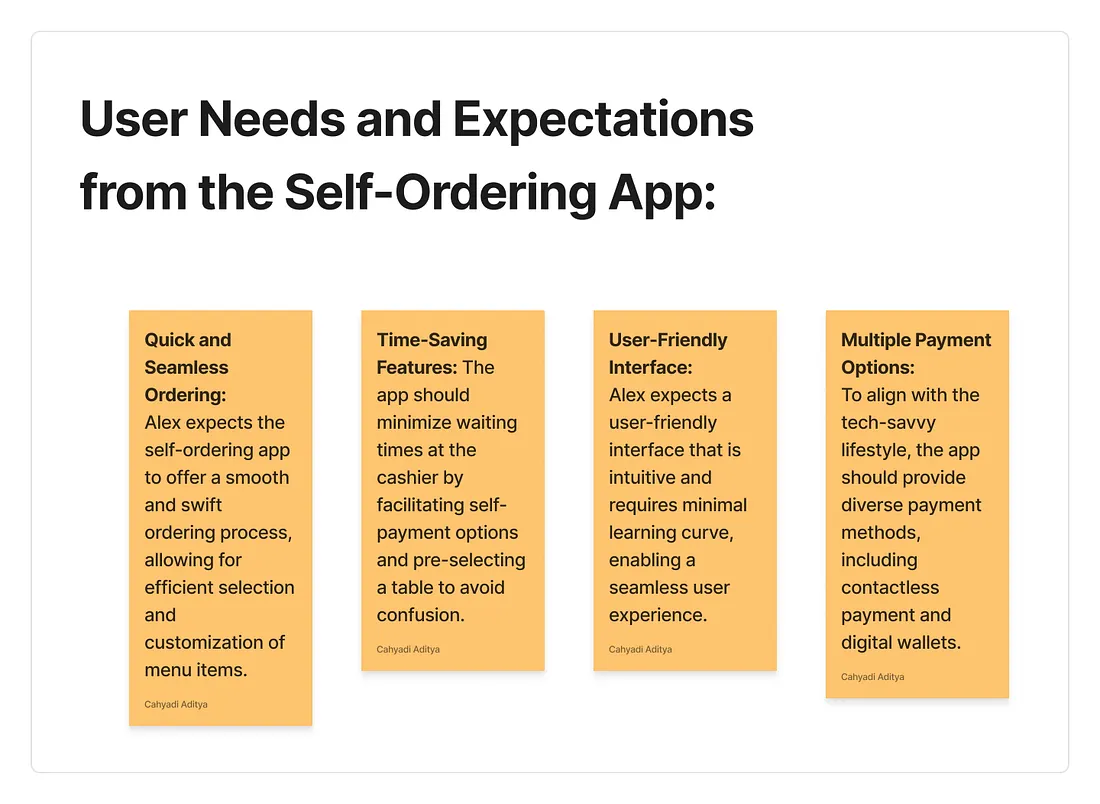
- Payment Preference: Customers prefer multiple payment options, including debit, credit card, QRIS, and cash, for added convenience.
📉 Design Goals
Based on the research findings, the design team set out the following goals for the self-ordering app:
- Reduce Waiting Times : Implement an intuitive and efficient self-ordering system to minimize queues at the cashier, thereby reducing waiting times during peak hours.
- Simplify Menu Navigation: Organize the menu in a user-friendly manner, enabling customers to easily browse through the different categories and make informed decisions without feeling rushed.
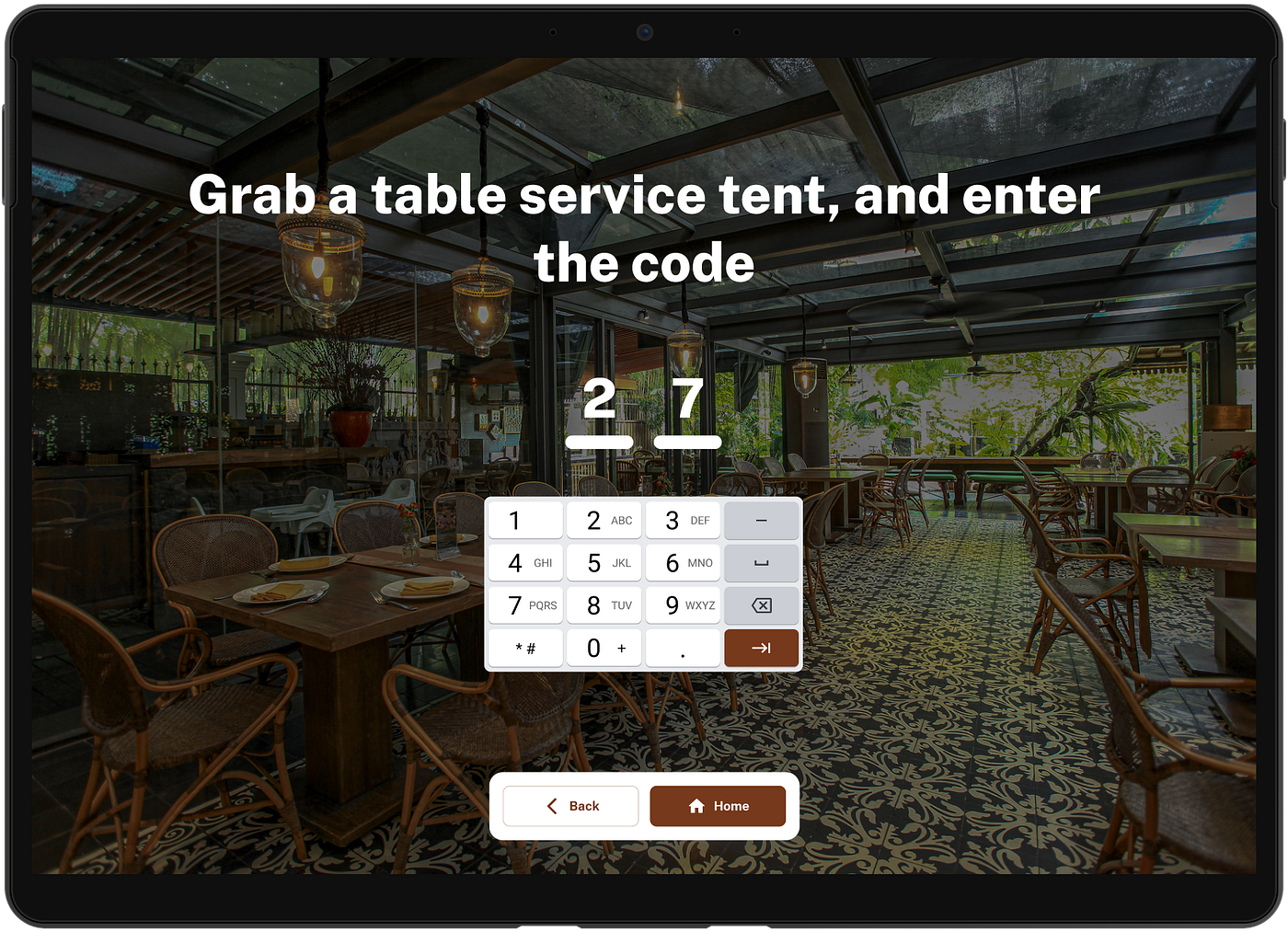
- Enhance Table Selection: Introduce a table selection feature where customers can choose their preferred seating area before placing their order, creating a seamless dining experience.
- Diverse Payment Options: Incorporate multiple payment methods, including debit, credit card, QRIS, and cash, to cater to the varying preferences of customers.
👦🏻 User Personas
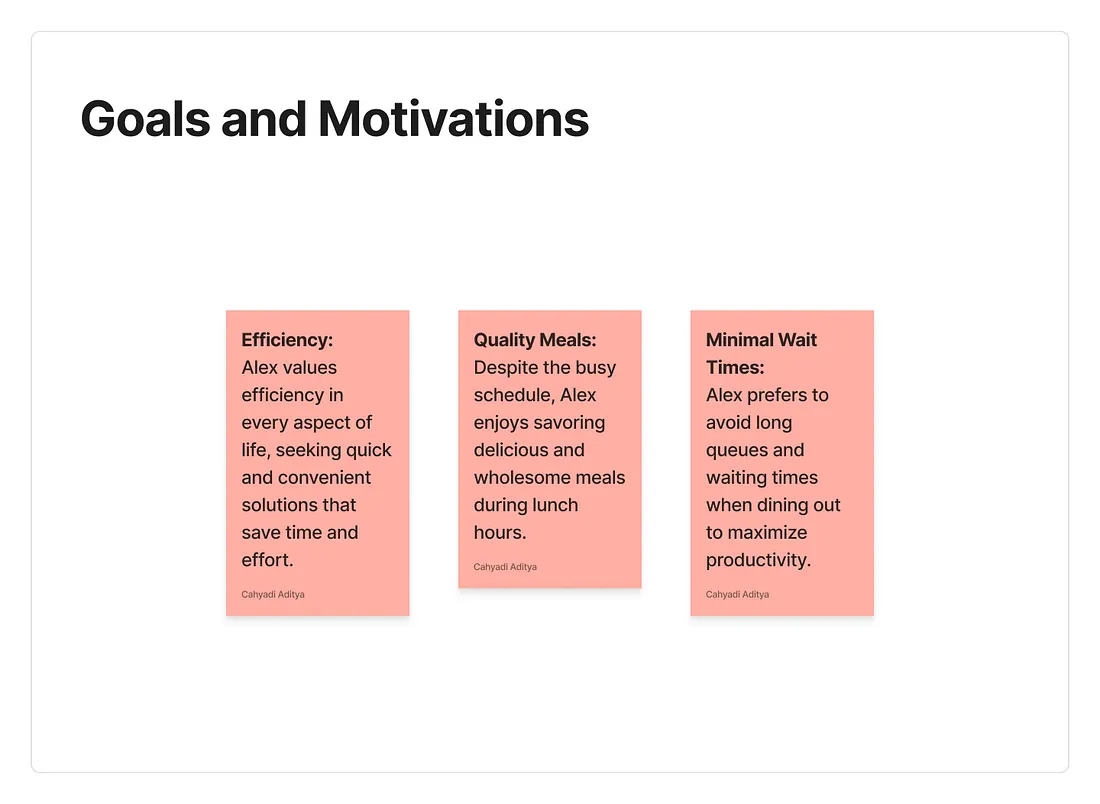
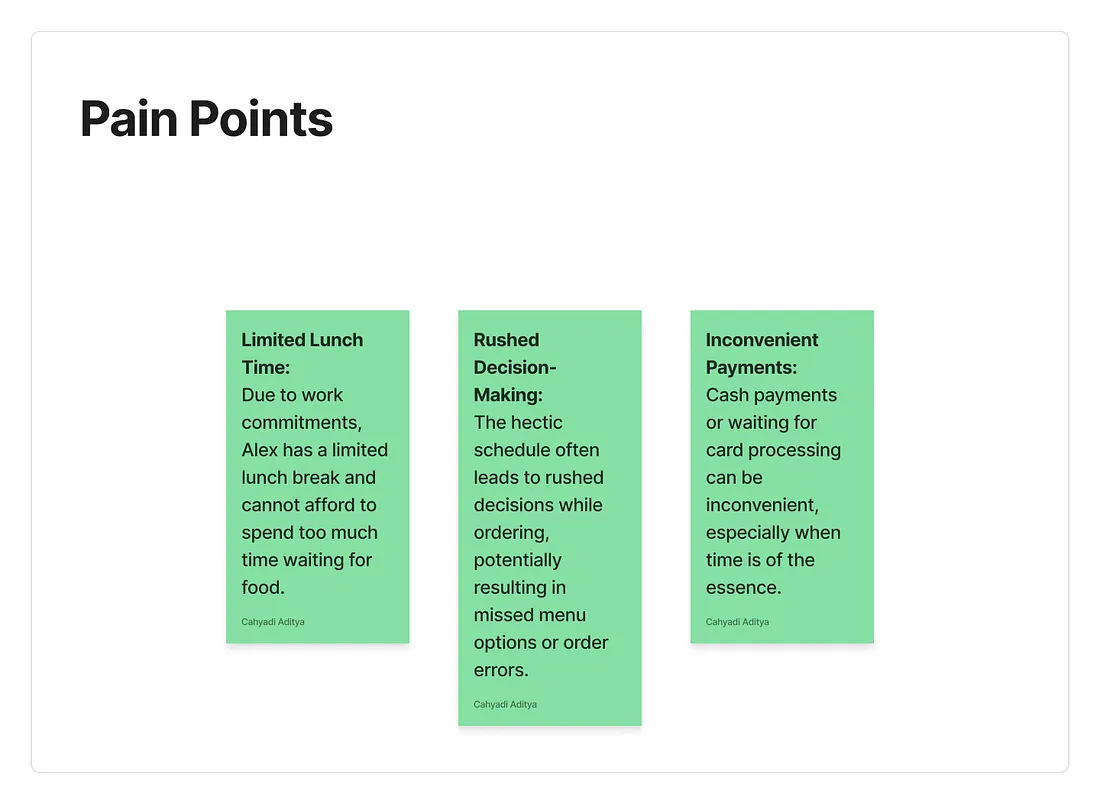
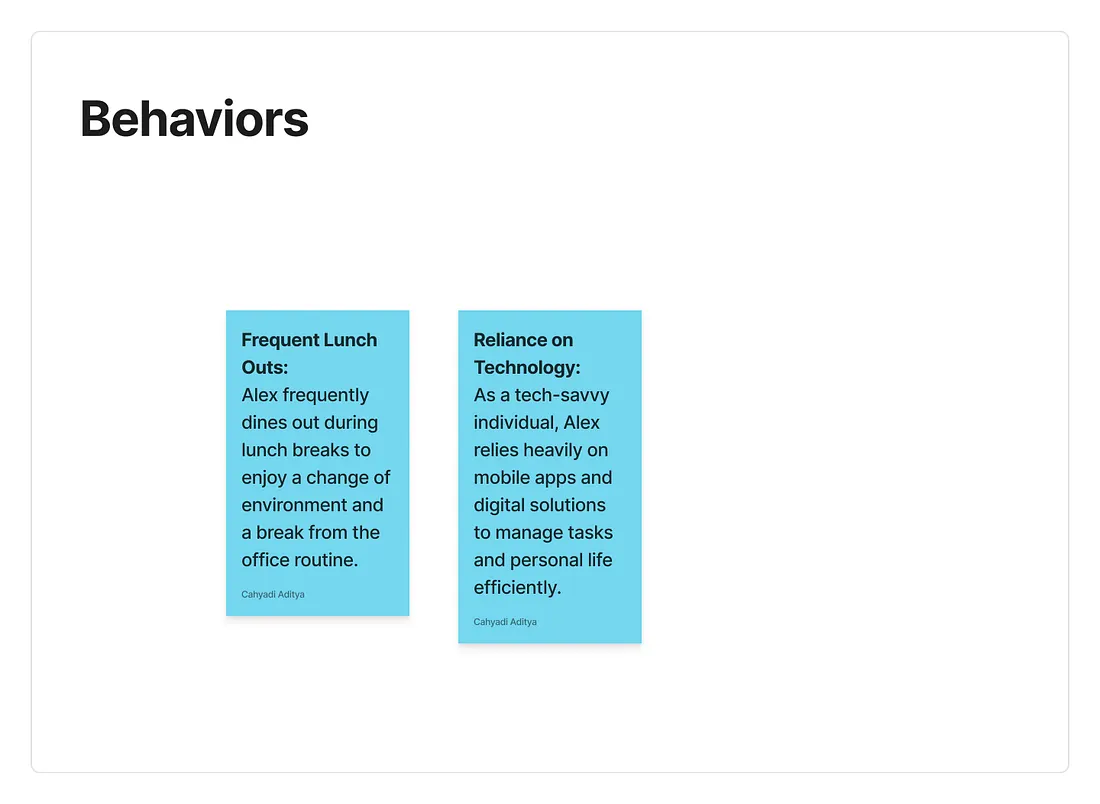
Detailed user personas to better understand the types of customers and their needs:
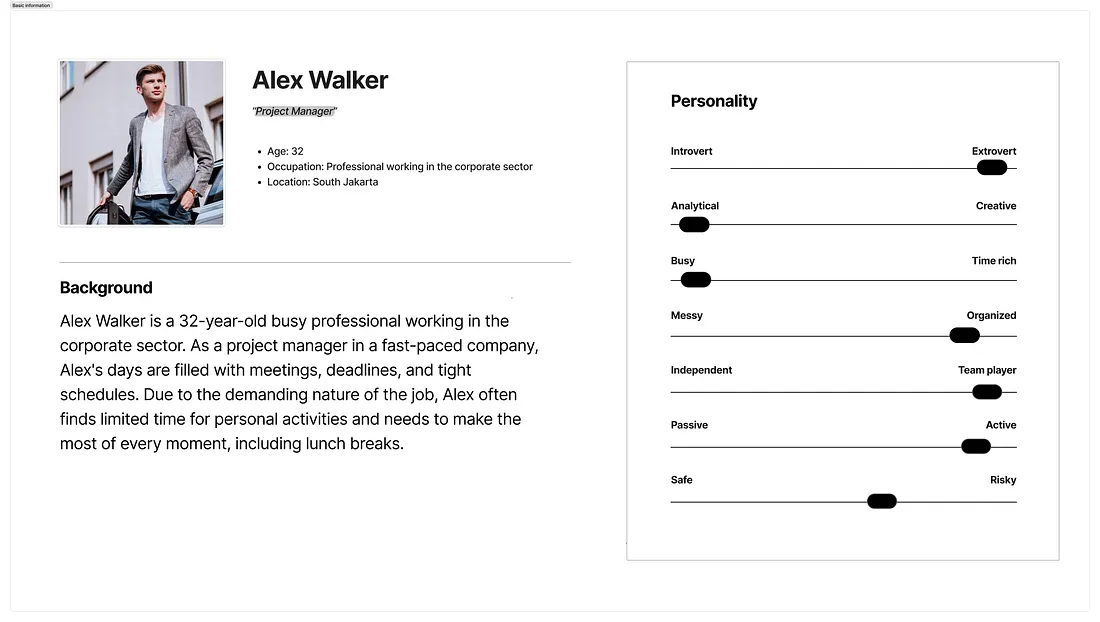
Alex Walker Persona
🏢 Information Architecture
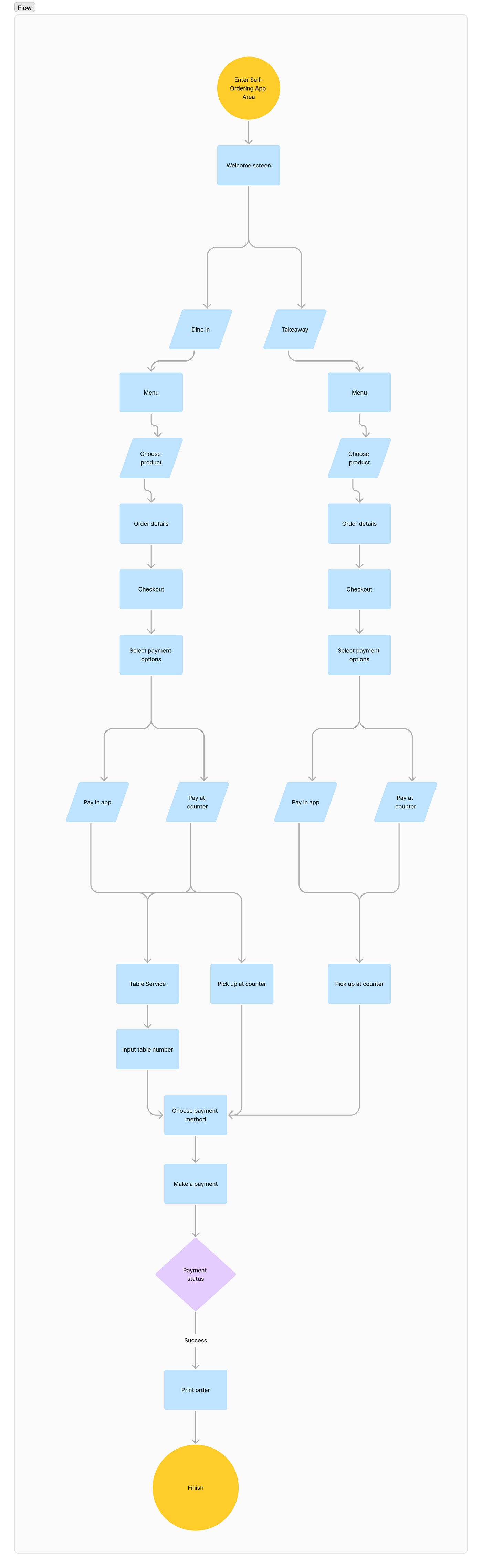
The information architecture was thoughtfully designed to ensure an intuitive and straightforward flow for the self-ordering app.
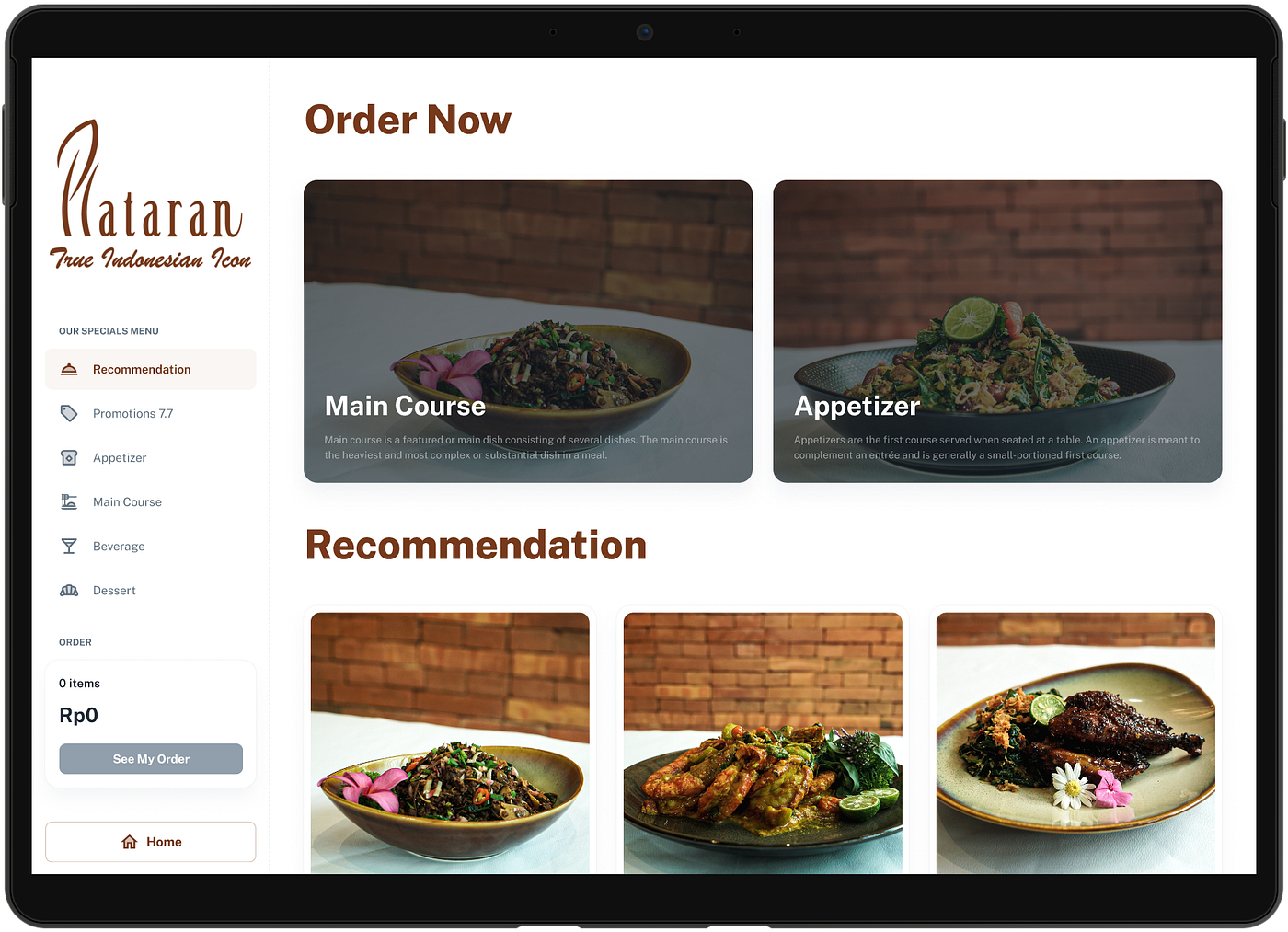
- Home Screen: The app opens with an attractive home screen showcasing the different menu categories (promotions, appetizers, main courses, beverages, and desserts).
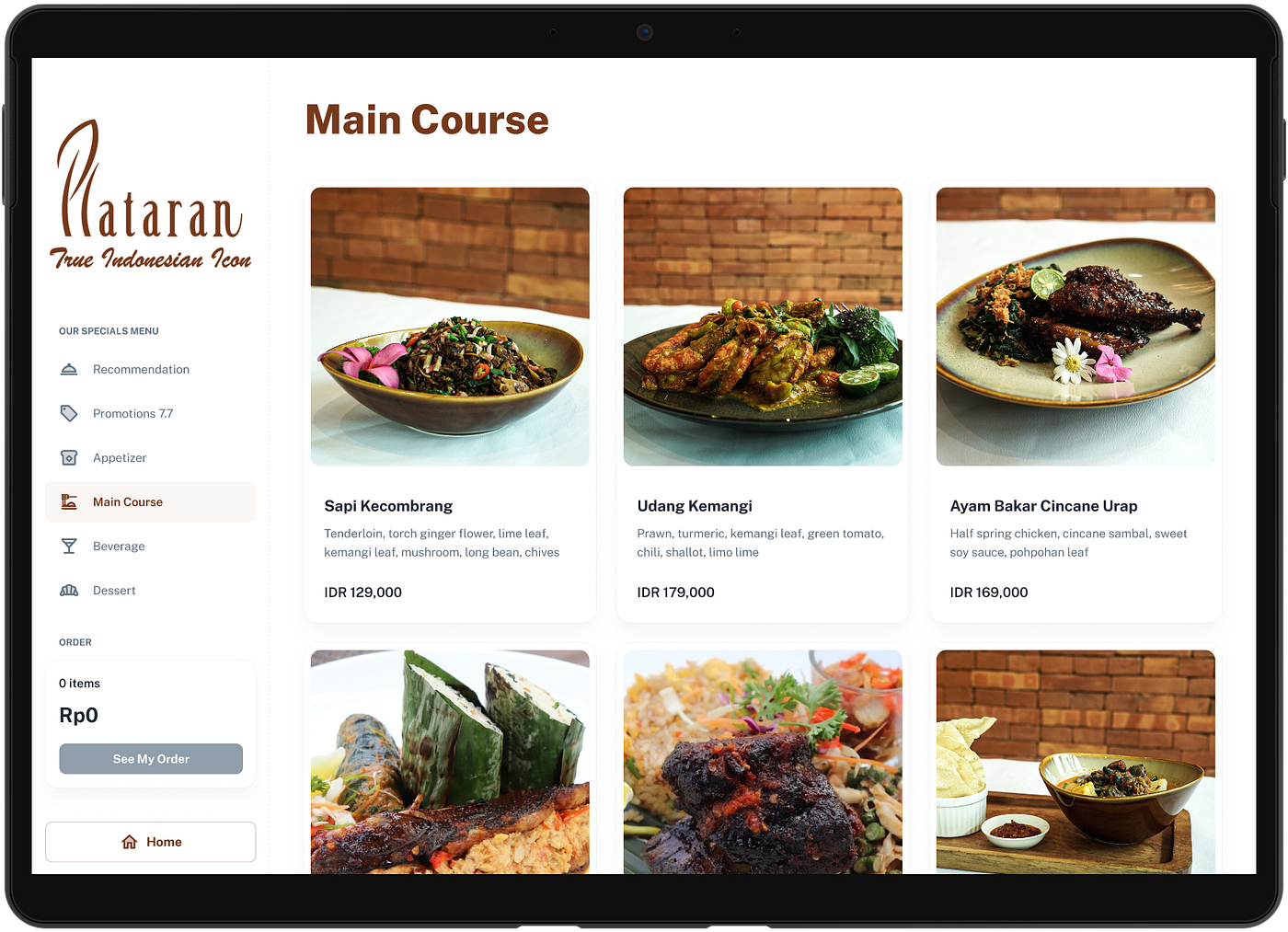
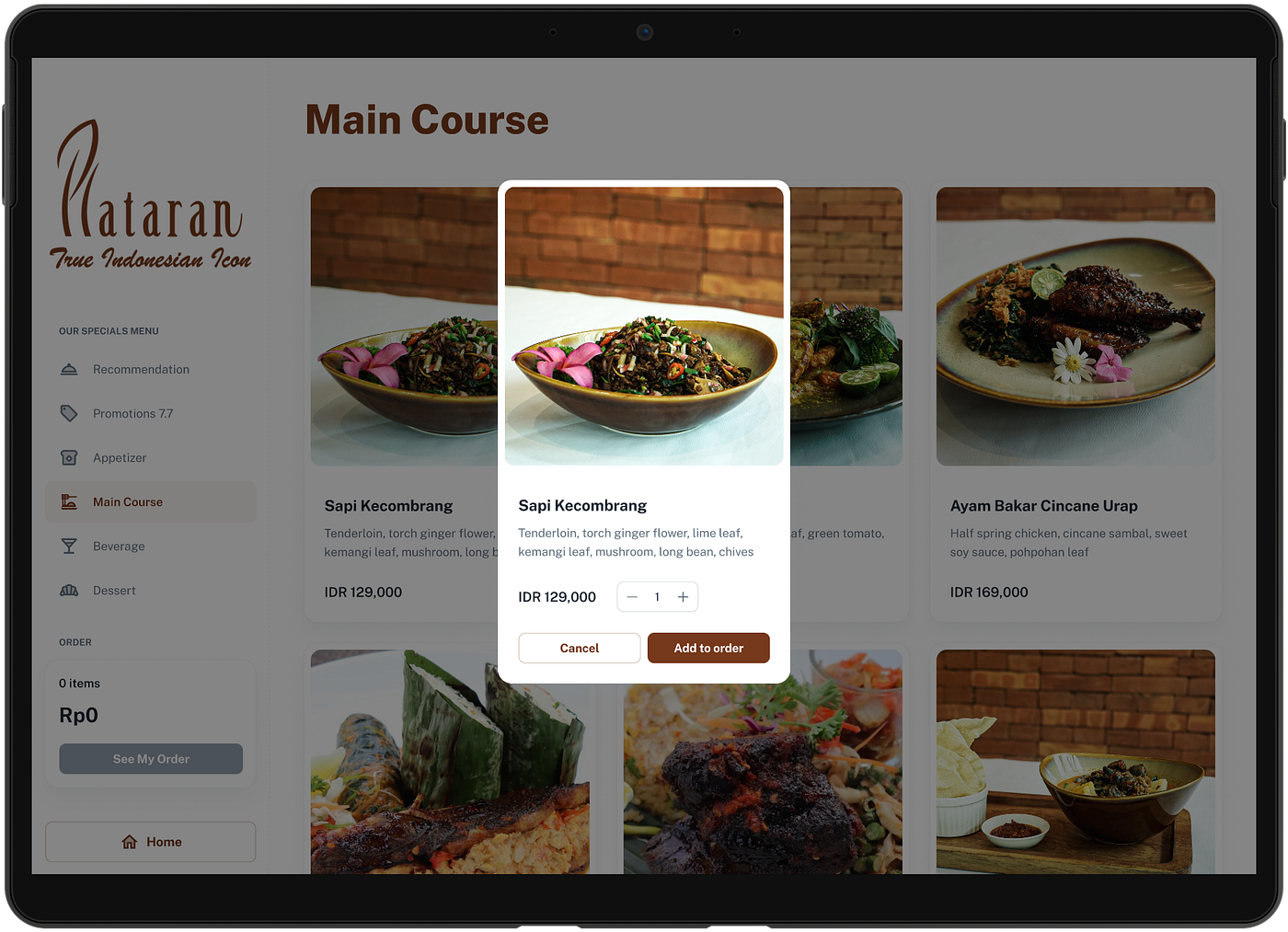
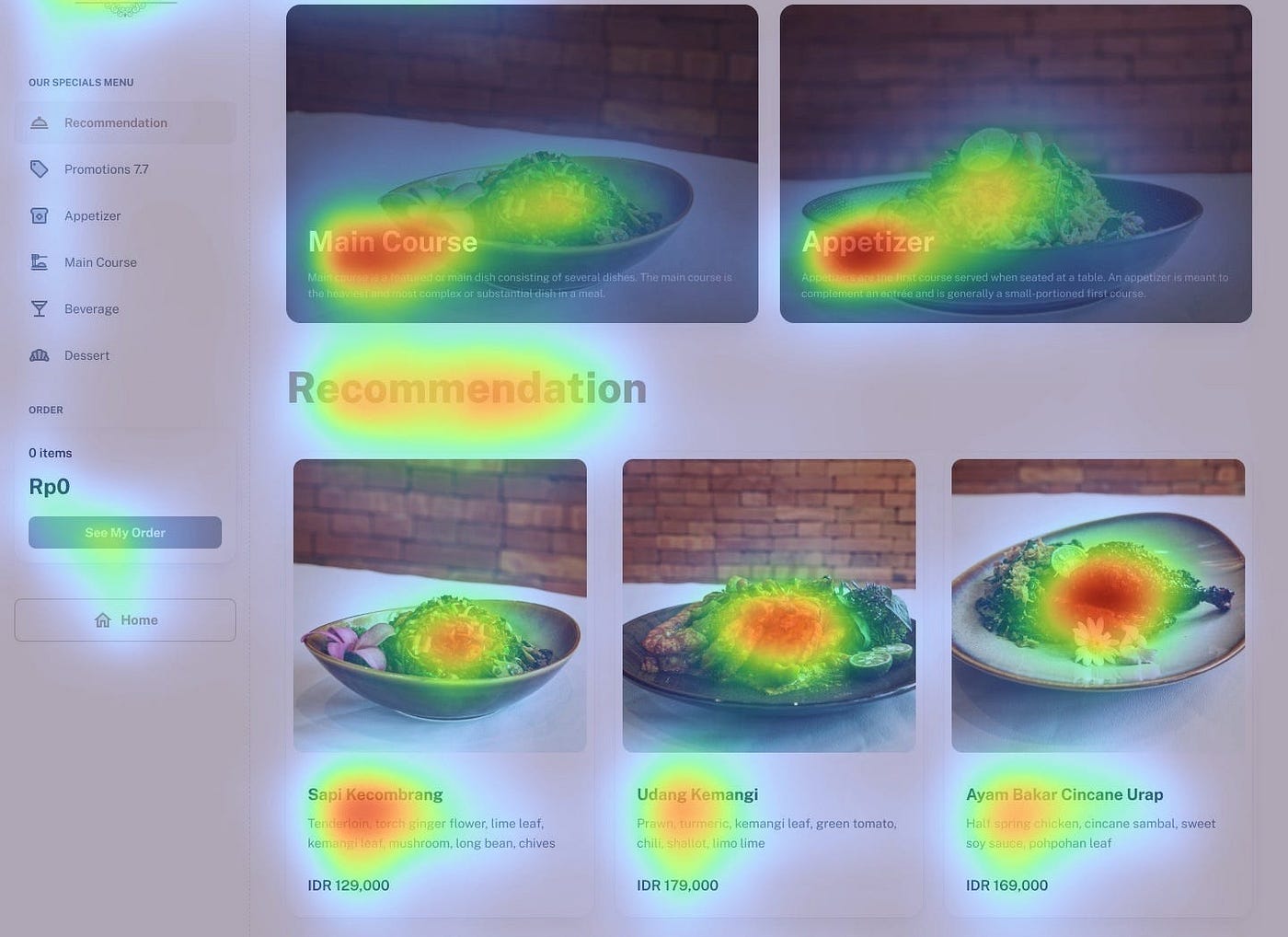
- Menu Items: Upon selecting a category, customers are presented with a list of menu items, each accompanied by appetizing images, descriptions, and prices.
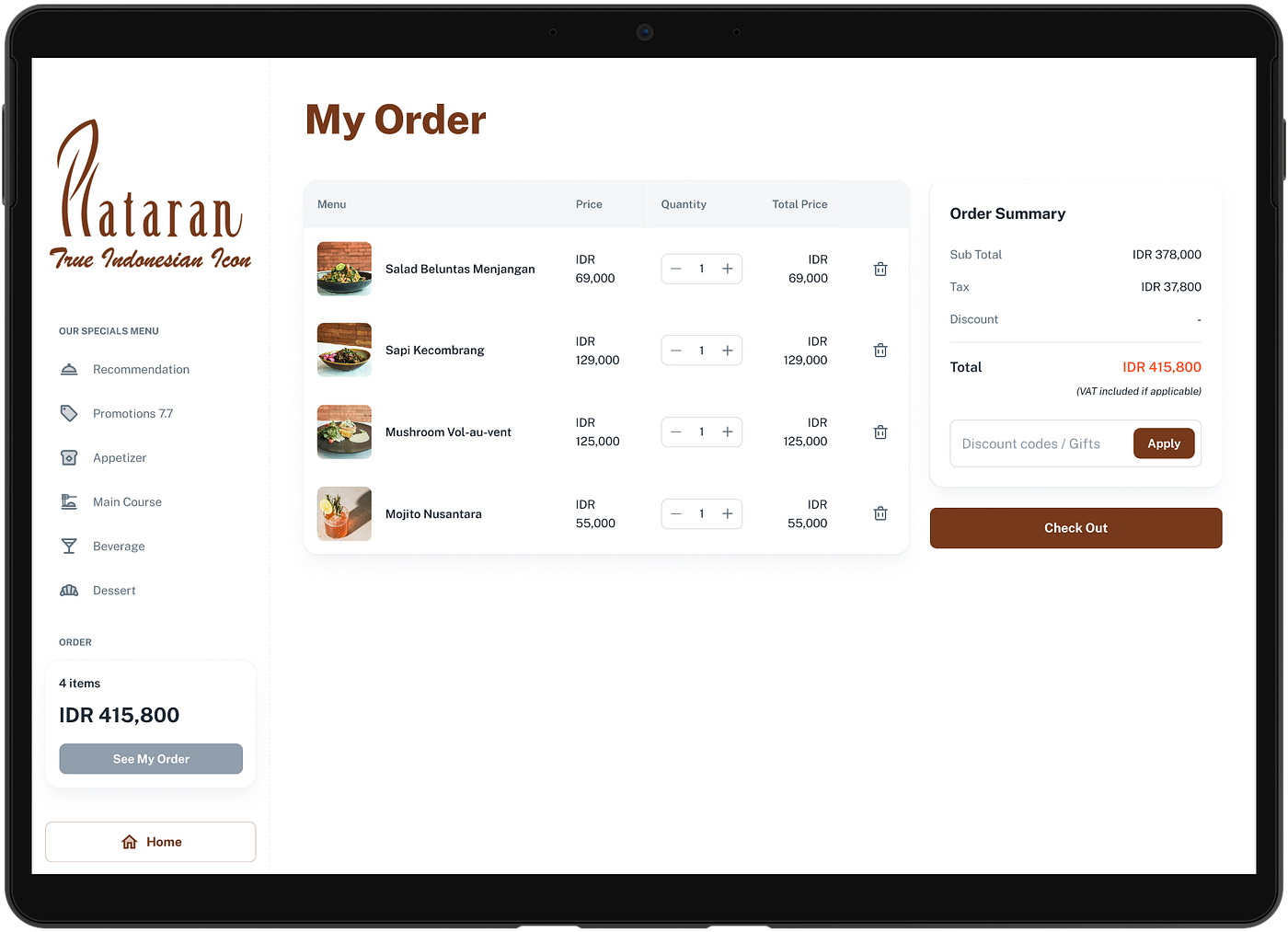
- Viewing the Order: The app displays a summary of items in the My Order
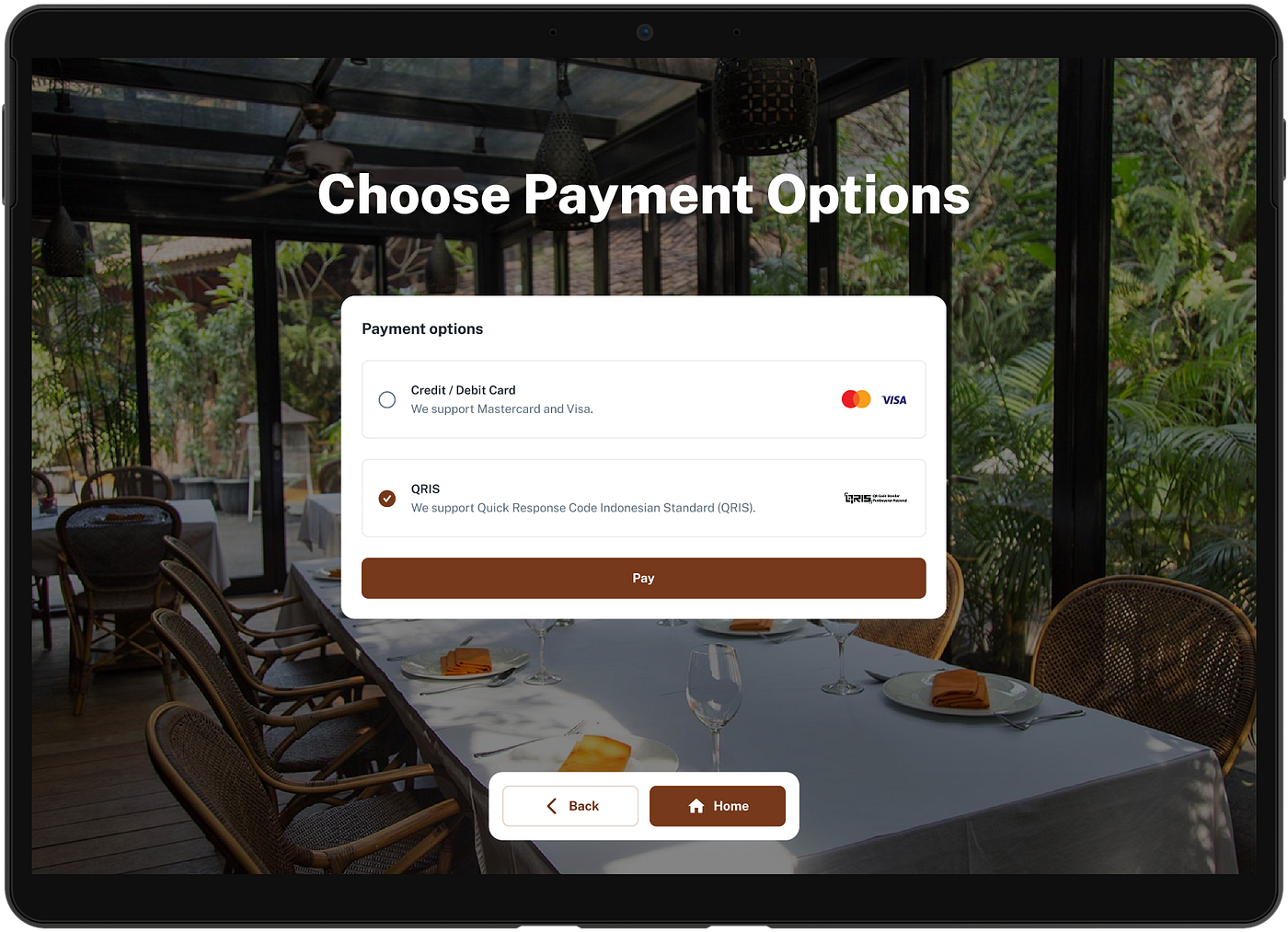
- Payment Options: The app provides various payment options, including debit, credit card, QRIS, and cash, to ensure flexibility and convenience for all customers.
✍🏻 Wireframing
📱 Visual Design & Prototype
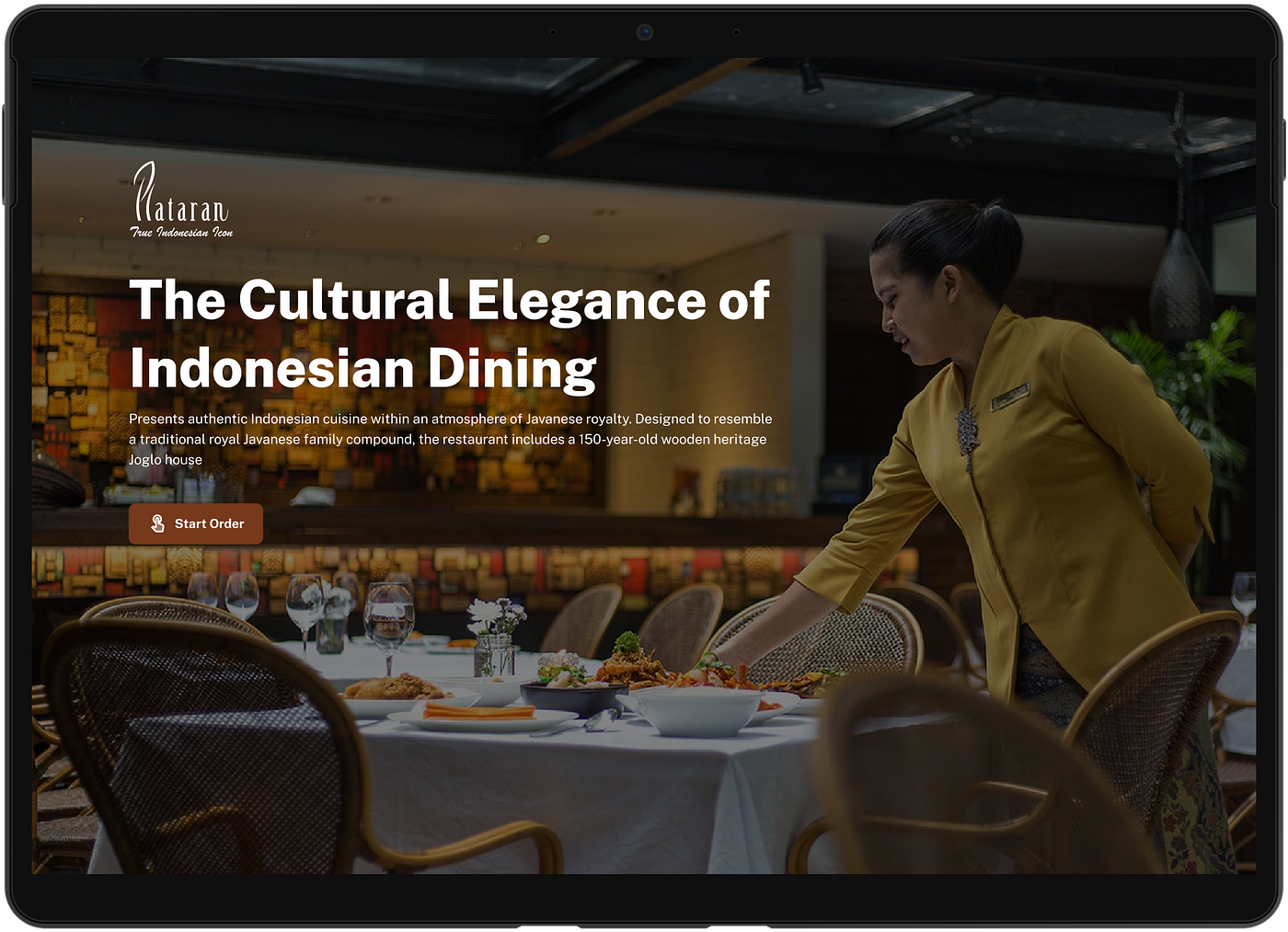
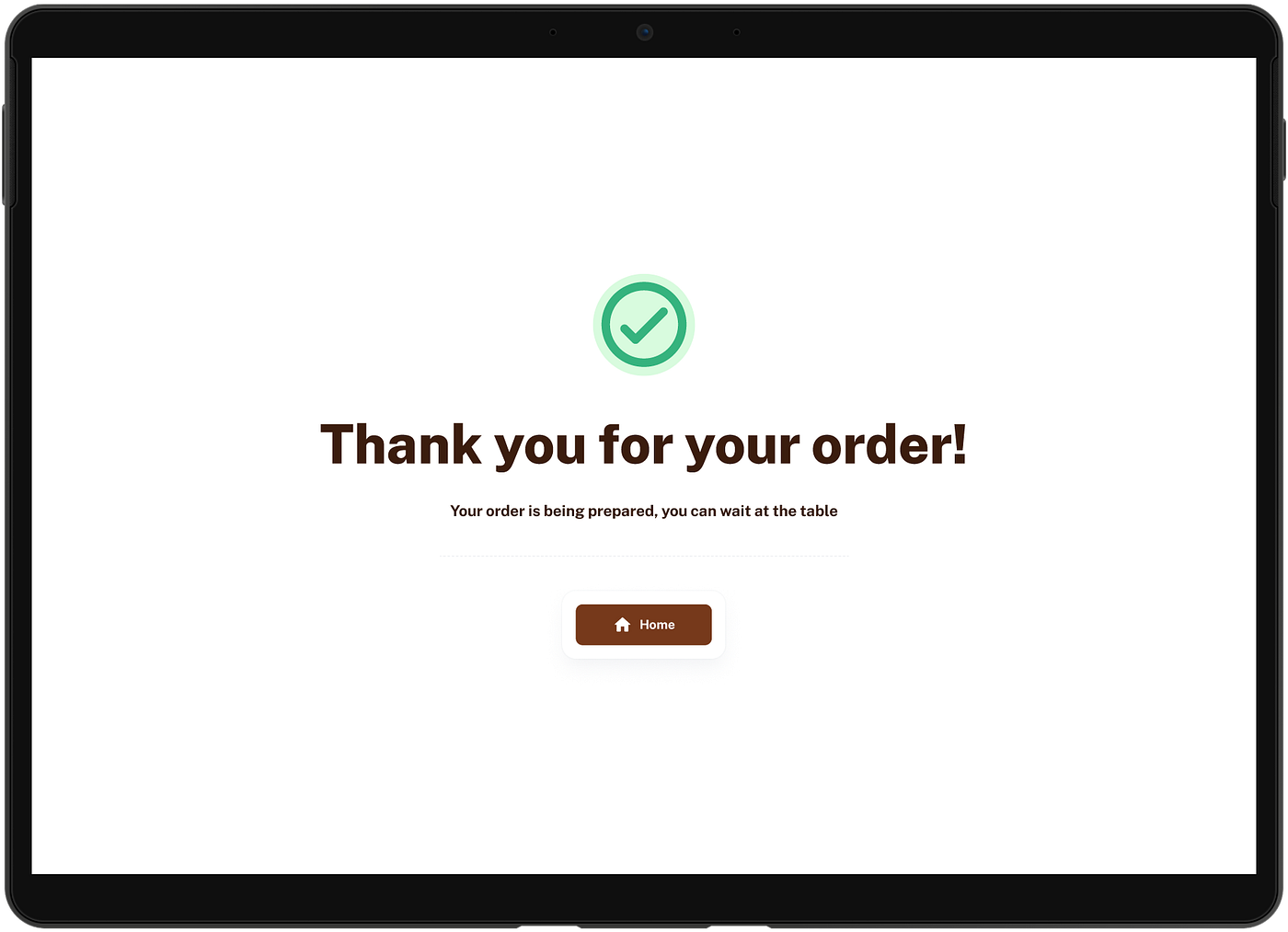
The visual design of the app embodies the restaurant’s branding and creates a delightful user experience. The use of vibrant colors, authentic Javanese patterns, enticing food imagery, and legible typography ensures an appealing and appetizing interface.
🎯 Results and Impact
The implementation of the self-ordering app yielded several positive outcomes:
- Reduced Waiting Times: Customers could now place their orders directly, reducing queues at the cashier and streamlining the ordering process during peak hours.
- Improved Table Management: The table selection feature allowed customers to choose their seating area in advance, leading to efficient table allocation and more organized dining space.
- Enhanced Customer Satisfaction: The app’s user-centric design and diverse payment options resulted in higher customer satisfaction and a positive dining experience.
- Increased Efficiency: With the self-ordering app, the restaurant staff could handle more orders efficiently, maximizing the restaurant’s capacity during busy hours.
📝 Conclusion
The self-ordering app developed for Plataran Restaurant proved to be a game-changer for both the restaurant and its customers. By empowering customers to self-order, customize their meals, choose their seating area, and make secure payments, the app revolutionized the dining experience at Plataran Restaurant. The seamless and efficient app design set new standards for dining convenience, contributing to the restaurant’s growth, customer loyalty, and continued success in the competitive food industry.